Heel spurs and plantar fasciitis are related but distinct foot conditions. Heel ...See More
Oct 23, 2025
Call Us
Delivering precision treatments backed by the latest clinical research.
.png)
Therapies designed to align with your unique health goals and condition.

Addressing the root causes of pain through a comprehensive healing model.

.png)
.png)
About Us
Years Experience
Lifestyle Disorders Patients Treated
Pain Patients Treated
Happy Patients


Holistic solutions combining therapy, intervention, and wellness care


Stay informed with our latest updates, posts, announcements, and healthcare news
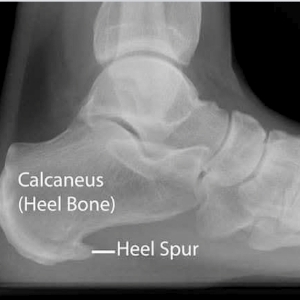
Heel spurs and plantar fasciitis are related but distinct foot conditions. Heel ...See More
Oct 23, 2025
Call Us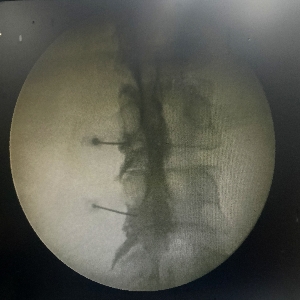
Pulsed radiofrequency (PRF) of the L3 and L4 dorsal root ganglion can be an effe...See More
Oct 22, 2025
Call Us
Sport taught me that pain is more than physical — it’s emotional, mental, and de...See More
Oct 21, 2025
About Doctor
 (3).png)
What our Patients says about us
A Game-Changer for Chronic Pain Sufferers! I've been struggling with chronic pain for years, but my recent treatment with G Ram Mohan at the Pain Relief Clinic Himayatnagar, Hyderabad has been a total game-changer. The doctor and staff are incredibly compassionate, knowledgeable, and dedicated to finding solutions that work for each patient. The treatment itself was surprisingly painless, and the doctor took the time to explain everything in detail, answering all my questions and concerns. The procedure was quick, and I was able to return to my normal activities shortly after. The results have been nothing short of amazing. My pain levels have decreased significantly, and I've been able to reduce my medication. I'm finally able to enjoy activities I thought were lost to me due to pain. If you're struggling with chronic pain, I highly recommend G Ram Mohan..Pain Relief Clinic. Their expertise and commitment to patient care are truly exceptional. Don't hesitate to reach out – they can help you find relief and improve your quality of life.

Dr. G RAM MOHAN sir was very experienced and talented doctor in our city Hyderabad I m also patient and I got treatment Alhamdulillah I'm back to normal life after treatment and staff was good and polite very reasonable take one appointment and then you will be best way to cure thanks to RAM MOHAN SIR
I'm Dr pavan kumar and i suffer from Ankylosing spondylitis since 6 years, when i got flare up in right sacro- iliac joint Dr Rammohan injected medicine into my joint in Yashodha hospital (at that time he worked there ),the injection was precisely given which worked for more than 5 years. No doubt, he is one of the best pain medicine specialist, he does so many procedures at RM pain clinic , equipped with all instruments,he gives good counseling regarding one's disease and explains which procedure suits for that disease . Moreover his charges are minimal and reasonable ,the reason why people come to this centre from several places all around India.
Best man for pain I went to Dr ram mohan for my lateral meniscus complex tear... Was unable to walk also properly.. and one month fast forward I am playing football now... All thanks to him for dealing the issue in a scientific way and getting me back to the ground.
My wife Jagadeeswari aged 52 at present was suffering from Trigeminal Neuralgia problem since 2007. She was using all kinds of medicines for coming out of shooting pain she was having on her cheek area. No relief she had despite landing up in other health issues. In the year 2022, in the month of April we visited RM Pain relief Solutions and Dr Ram Mohan Sir treated the Trigeminal Neuralgia problem with Radio frequency ablation and since then, she got complete relief and is not using any medicines. It was a miraculously treated by Dr Ram Mohan Sir at a reasonable cost. He is not only a great Doctor but also wonderful human being.
I had a knee fracture and acl ligament tear. I was suffering from lot of pain and discomfort. I visited two doctors and they said surgery is needed. Somehow I was recommended by my friend to visit Dr Mohan. After consulting and checking my mri Dr Mohan gave me prolotherapy treatment. In 1st injection nothing much happened pain was still their but when he gave me the 2nd injection almost all my pain went away. People who wants to avoid surgery should definitely visit him first. I strongly recommend Dr Mohan.
Our Latest Videos




.png)

.png)


Need Answers? Find them here...
Dr. G. Ram Mohan, with over 22 years of clinical practice, employs a holistic, evidence-based approach to pain management. He integrates physical, psychological, and lifestyle factors in addressing the root causes of chronic pain. As a compassionate lifestyle medicine consultant and certified cognitive behavioral therapy coach practitioner, Dr. Ram Mohan empowers patients to manage their pain and improve their overall well-being without surgical intervention, enhancing functional status and quality of life.
Dr. G. Ram Mohan leverages his expertise as a cognitive behavioral therapy (CBT) coach practitioner to blend medical knowledge with behavioral techniques. His methodology involves helping patients understand and alter pain-related thoughts and behaviors, ultimately leading to better pain management. Dr. Ram Mohan's integration of CBT into patient care is part of his commitment to providing non-surgical solutions for chronic pain, aiming to improve both functional status and quality of life for his patients.
A pain management specialist addresses a wide range of conditions, including chronic pain, arthritis, neuropathic pain, migraines, and specific disorders like fibromyalgia and trigeminal neuralgia. Through a combination of medical treatments and lifestyle interventions, they help patients manage pain effectively. The goal is to improve the quality of life by minimizing discomfort and enhancing daily function through tailored pain management strategies.
Trigeminal neuralgia is managed through a range of treatments, including medication, lifestyle adjustments, and potentially surgical options. A specialist focuses on reducing nerve irritation and improving pain relief. Non-invasive therapies and lifestyle medicine approaches, such as stress management and dietary changes, can also be part of the comprehensive management plan to decrease flare-ups and improve overall well-being.
Lifestyle medicine in pain management focuses on using healthy lifestyle choices to prevent and treat chronic pain conditions. This includes embracing a balanced diet, regular exercise, adequate sleep, stress management, and avoiding harmful substances. Such changes can significantly reduce pain symptoms, improve overall health, and enhance the effectiveness of other medical and therapeutic interventions, creating a holistic approach to pain relief.
Yes, CBT is an effective tool in managing chronic pain. It involves changing negative thought patterns, improving coping strategies, and reducing the psychological impact of pain. By addressing these cognitive aspects, CBT can help decrease perceived pain intensity, enhance emotional well-being, and empower patients to manage their pain more effectively, making it a valuable component of a comprehensive pain management plan.
Regenerative therapies involve using techniques such as platelet-rich plasma (PRP) and stem cell therapy to repair or regenerate damaged tissues. These therapies aim to reduce pain and improve function without resorting to surgery. By promoting natural healing processes, regenerative therapies can be particularly beneficial for conditions such as arthritis, tendon injuries, and some forms of chronic pain, offering an innovative approach to pain management.
Managing fibromyalgia involves a multidisciplinary approach, combining medications, cognitive behavioral therapy, and lifestyle changes. Pain management specialists focus on alleviating symptoms through exercise, stress-reduction techniques, and dietary modifications. CBT helps tackle emotional aspects, while lifestyle medicine encourages habits that reduce pain and enhance energy levels, creating a comprehensive strategy to improve the quality of life for fibromyalgia patients.
During your first visit, the specialist will conduct a comprehensive assessment of your medical history, pain symptoms, and lifestyle. This may include physical exams and diagnostic tests. You'll discuss your current pain management strategies and explore potential treatments, such as medications, lifestyle adjustments, and therapies like CBT. The specialist will then work with you to develop a personalized pain management plan tailored to your specific needs.
Lifestyle changes can significantly impact chronic pain management by addressing contributing factors such as obesity, inactivity, poor diet, and stress. Engaging in regular physical activity can reduce inflammation and improve mobility, while a nutrient-rich diet supports overall health. Stress management techniques, including relaxation exercises, can alleviate pain symptoms. These changes complement other treatments, enhancing overall effectiveness and leading to long-term pain relief.
Innovative pain management strategies for arthritis include regenerative therapies like PRP injections and advanced physical therapy techniques. Lifestyle medicine interventions, such as anti-inflammatory diets and specialized exercise programs, are also pivotal. When combined with medications and cognitive behavioral therapy, these approaches help reduce joint pain, improve function, and slow disease progression, providing comprehensive care tailored to the individual's needs.
Pain management specialists address migraine pain through a combination of medications, lifestyle modifications, and mindfulness techniques. Lifestyle medicine can help identify and avoid triggers, while stress management exercises reduce frequency and severity. Medications, both preventive and acute, provide relief from symptoms. Cognitive behavioral therapy is also utilized to address any emotional factors, offering a well-rounded approach to managing migraine pain effectively.
A cognitive behavioral therapy (CBT) coach practitioner plays a crucial role by helping patients understand and alter negative thinking patterns related to pain. This therapeutic approach assists in managing emotional responses to pain, developing coping strategies, and improving quality of life. By integrating CBT into pain management, patients often experience reduced pain intensity, better psychological well-being, and enhanced ability to handle daily activities.
Nutritional counseling plays a vital role in managing chronic pain, as certain diets can influence inflammation and overall health. Pain management specialists often recommend a diet rich in anti-inflammatory foods, comprising fruits, vegetables, whole grains, and omega-3 fatty acids. Avoiding processed foods and sugars can also help reduce pain symptoms. Proper nutrition supports other pain management strategies, enhancing their effectiveness and contributing to an improved quality of life.


